The progress made to deliver HS2 is outlined today in figures that show significant headway being made above and below ground throughout 2025 – just as Britain’s biggest infrastructure programme undergoes a fundamental reset.
With HS2 at peak production, all 23 miles of deep-bore tunnels have now been excavated on the opening section of the railway between Old Oak Common and Birmingham Curzon Street. Figures show 70 percent of the project’s vast earthworks programme has now been delivered and almost 300,000 tonnes of steel has been used - 69 per cent of that required for the railway.
HS2 is now focused on completing the complex civil engineering programme across the 140-mile route, ahead of the next vital stage when the track, signalling and communications systems that form the basis of the operational railway are installed.
However, while clear progress has been made, there is still much do.
This month marks the first anniversary of Mark Wild’s appointment as Chief Executive of HS2 Ltd. Under his leadership, HS2 is now at an advanced stage of a comprehensive reset – putting the programme’s construction in the right sequence and bringing certainty to the railway’s final costs and opening dates.
Mark said:
“I made a commitment to the Transport Secretary that I would address the failures of the past and get HS2 on track. It’s clear that we can only do so with a fundamental reset.
“Over the last year we’ve been through the programme with a fine tooth comb and we’re now very close to establishing a clear path forward.
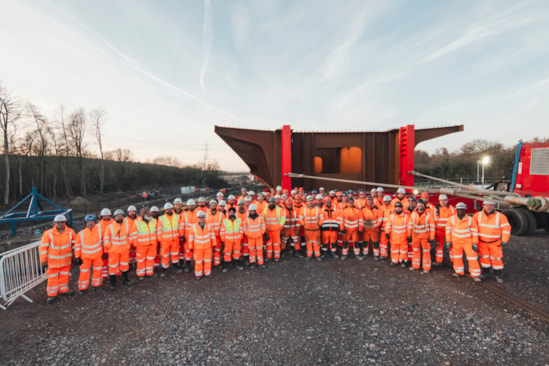
“However, we’ve not stood still. We had to deliver a safe and productive year while HS2 was reset and I want to thank the 34,000 people working on the project every day for their tremendous hard work. The solid progress they’ve made in the last year gives us strong foundations to build upon. We’ve shown what can be done and I expect that to continue throughout 2026 and beyond as we deliver HS2 as safely and efficiently as possible and for the lowest reasonable cost.”
HS2 has around 350 active work sites between London and Birmingham and this year HS2 Ltd has increased the number of staff in front-line construction roles to help drive productivity. Additionally, the company has made greater use of real-time information, with a traffic light system identifying where construction is on track - or fails to match expectations - to ensure progress is made across the route.
New figures released today show that HS2’s construction partners exceeded many targets set for them this year, including in earthworks.
They show that 70 per cent of earthworks required for the railway have been completed to date – almost 105 million cubic meters. Figures show that 69 per cent of steel needed for HS2 - almost 300,000 tonnes - has been used, with the majority being sourced from UK companies. It is also revealed that 88 per cent of the foundations for the railway – almost 23,000 in total – have now been sunk.
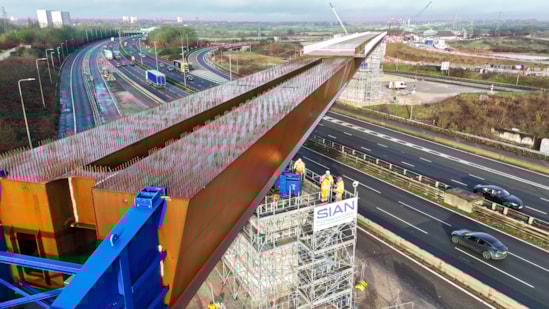
This year alone, around 1,500 segments of viaducts have been installed compared with 860 in 2024 - an increase of 75 per cent.
This scale of progress resulted in a number of construction achievements throughout the year, including:
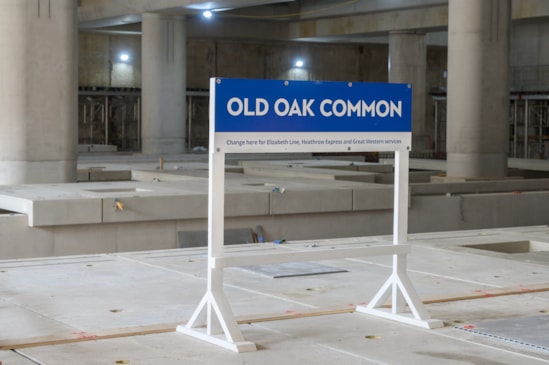
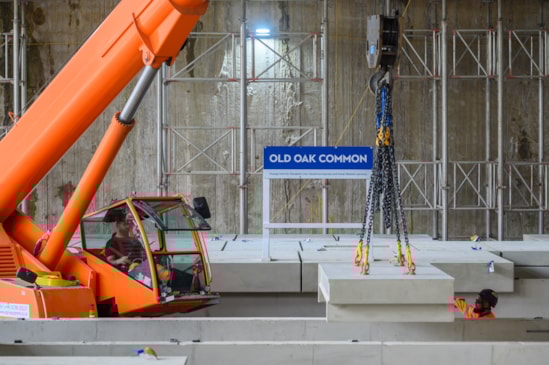
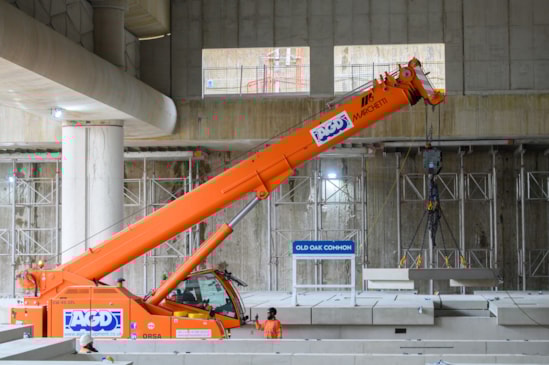
- Installation of the very first high-speed platforms at Old Oak Common superhub station.
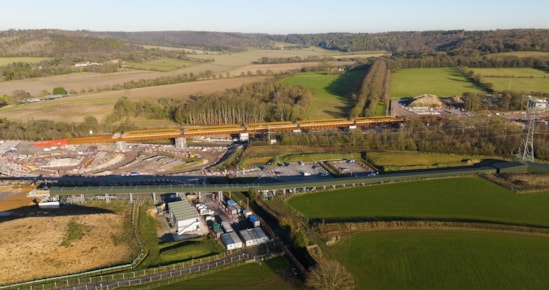
- The heaviest and longest single-stage viaduct deck slide on the project so far. At 345 metres, the Small Dean viaduct stretches over road and a railway in Wendover.
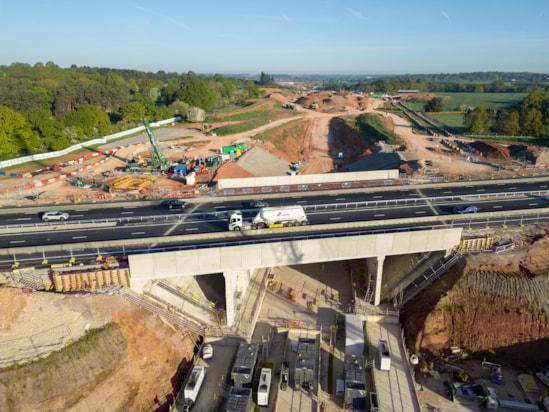
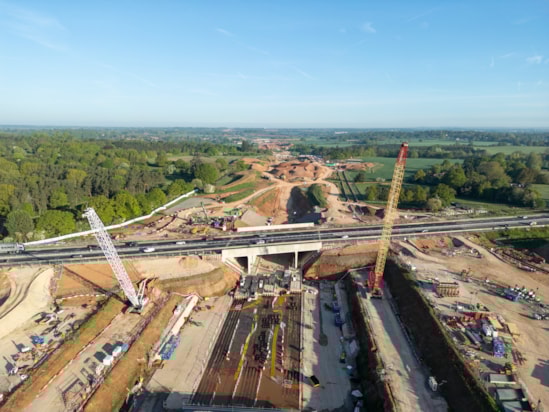
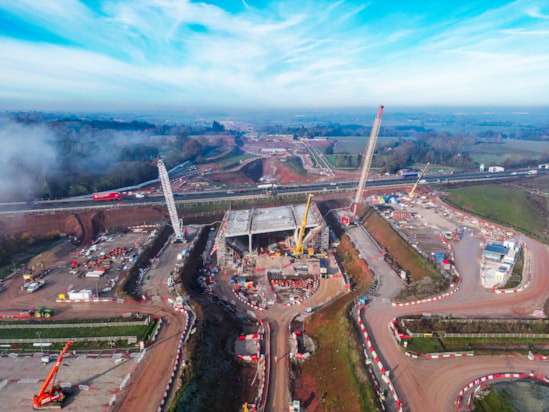
- A record first as engineers slid a massive 14,500-tonne box structure into position under the A46 Kenilworth Bypass. The structure, believed to be the heaviest of its kind in Europe, allows high-speed trains to pass under the dual carriageway.
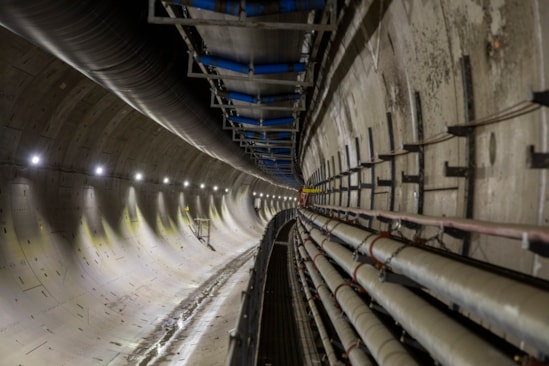
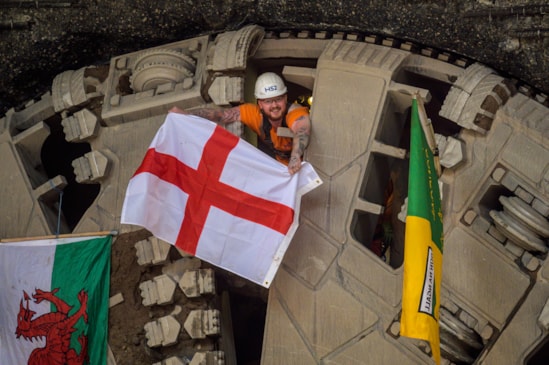
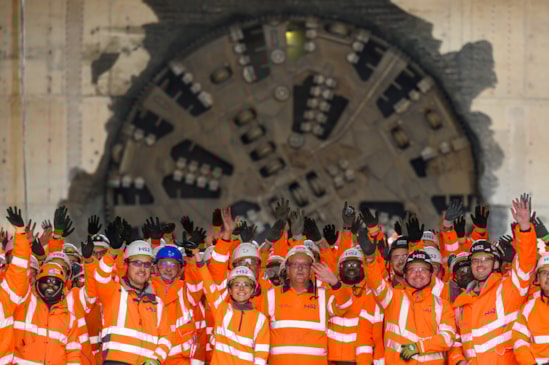
- Successful excavation of two twin-bore tunnels – the 8.4-mile Northolt Tunnel in London and the 3.5-mile Bromford Tunnel in the West Midlands – marking completion of excavation for all 23 miles of deep tunnels on the opening stage of the railway.
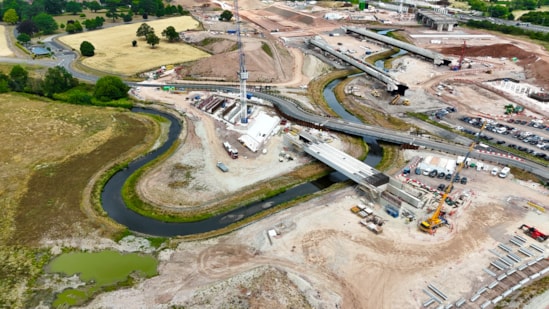
- Completion of the project’s biggest natural river realignment. A 749-metre section of the River Cole near Coleshill was realigned to make way for new viaducts and embankments. The end result enhances habitats to maximise diversity.
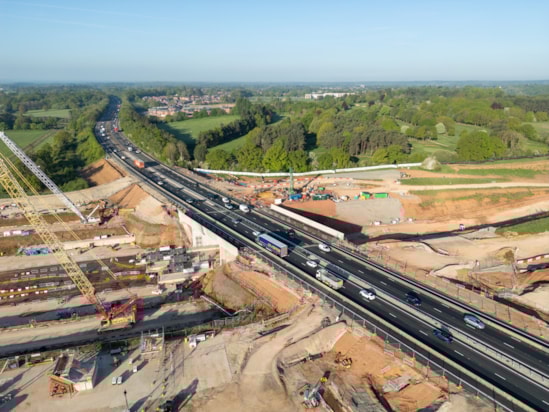
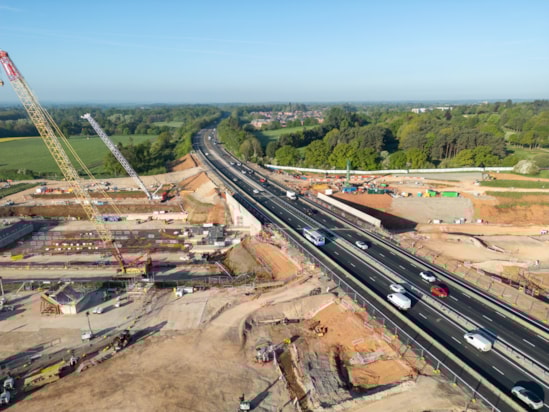
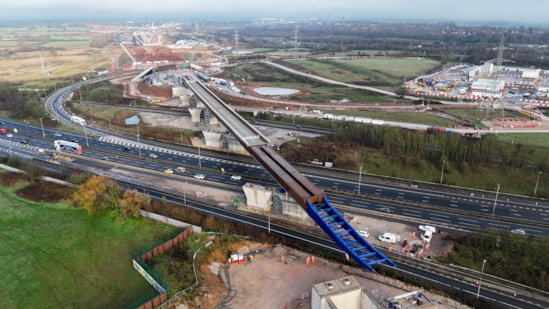
- A UK-first as the final stages of a 320-metre viaduct slide were completed with traffic flowing below. The three-stage operation over the M6 in the West Midlands was brought to a successful close earlier this month.
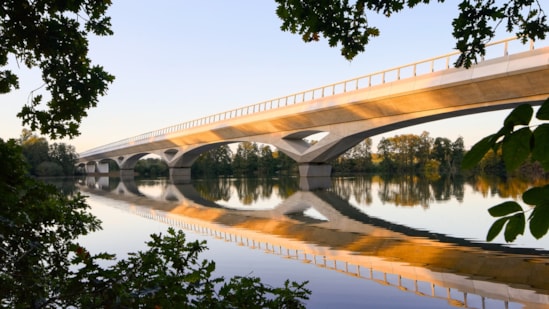
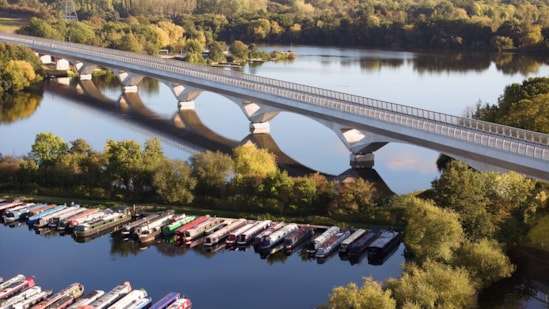
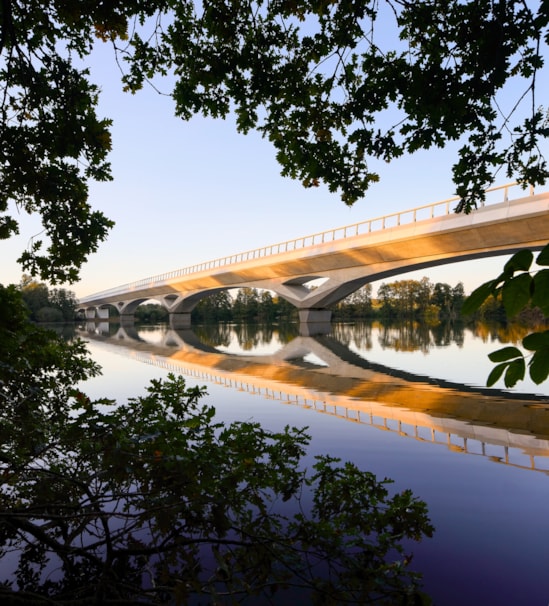
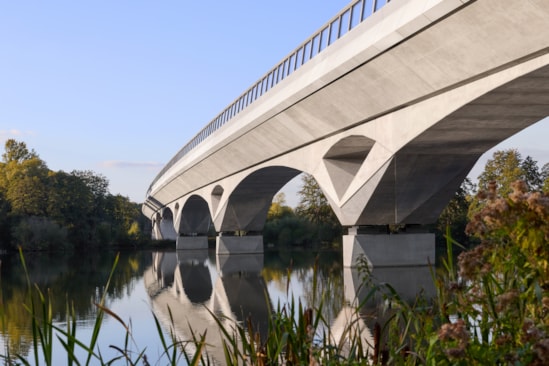
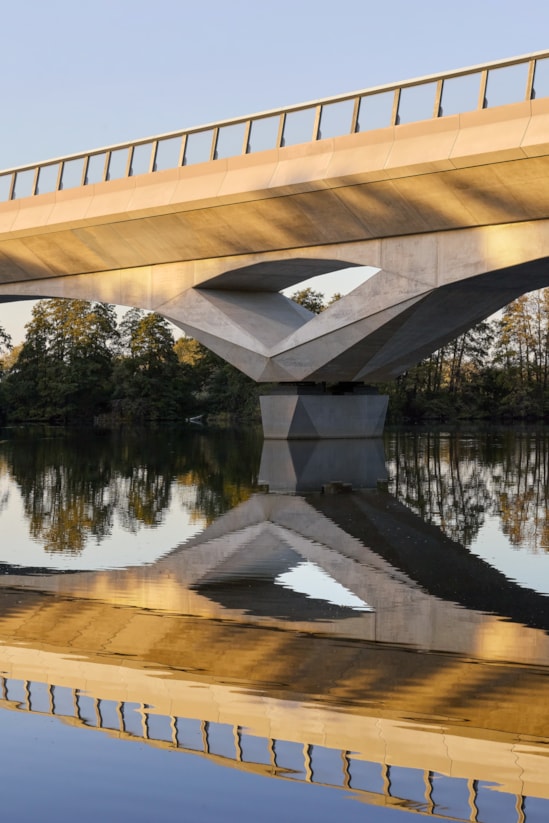
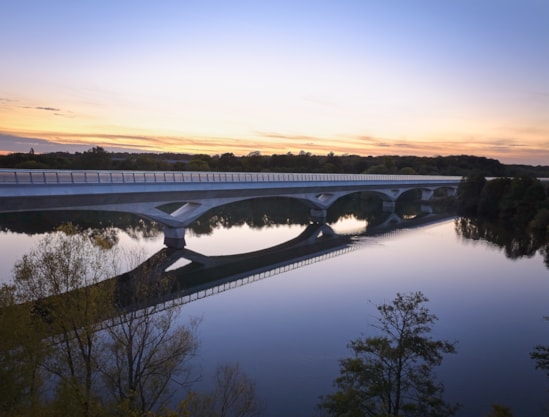
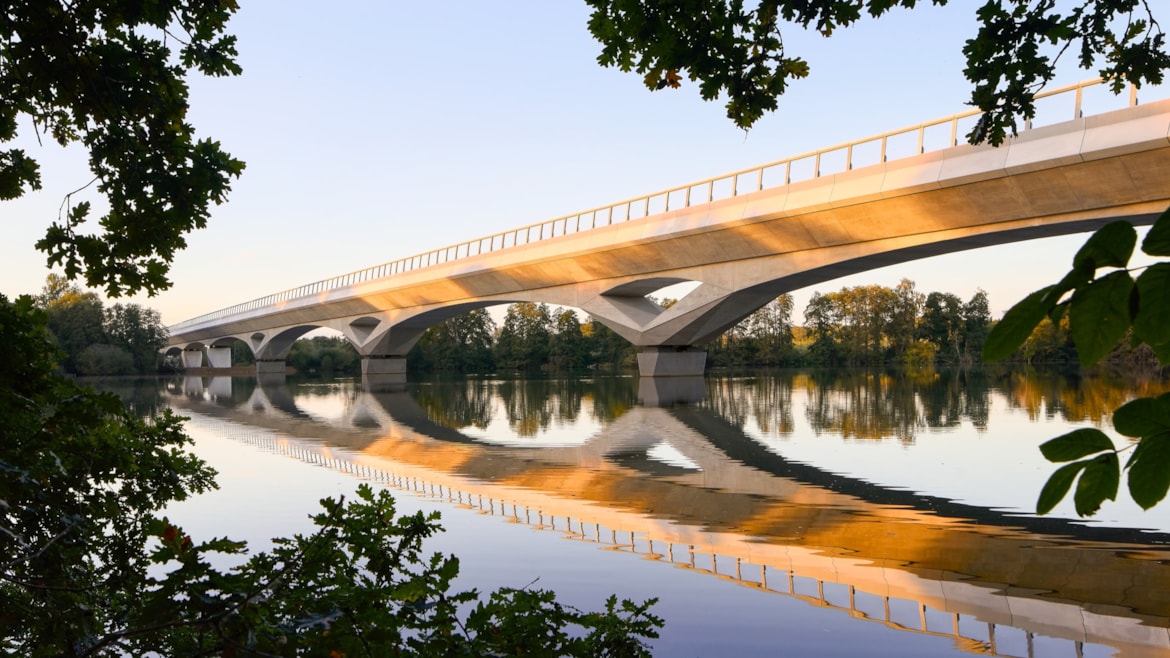
- Completion of the 2.1-mile-long Colne Valley viaduct, which stretches over roads, lakes, the River Colne and the Grand Union Canal, north west of London. The giant pre-cast deck was completed last year and in 2025, engineers added the finishing touches, installing parapet sections, noise barriers, a structural health monitoring system and waterproofing and drainage.
In June, the government's Spending Review confirmed funding of £25.3bn to deliver HS2 between London Euston and the West Midlands over the next four years. This provides greater certainty to the project's delivery, with a clear focus on completing all tunnels, viaducts, embankments and cuttings along the route of the railway.
As part of the reset, significant changes have already been made. This year HS2 Ltd has:
- Toughened up cost controls to ensure annual budgets are carefully managed – maximising the use of taxpayers’ money. New specialist commercial roles now scrutinise every contractor payment, with independent expert panels verifying all major decisions.
- Established a new construction schedule to prioritise completing the initial phase of the railway between Old Oak Common and Birmingham. This includes finishing an initial 50-mile stretch first between HS2’s new network integrated control centre in Washwood Heath, Birmingham, and the Wendover green tunnel in Buckinghamshire so testing can begin.
- Significantly strengthened the leadership team. A new chair, Mike Brown, and six new non-executive directors have joined the board, while new executive appointments address critical skills gaps - Ruth Dunphy joined as Chief Transformation Officer and Morag Stuart as Chief Commercial Officer.
- Started reshaping HS2 Ltd into a less bureaucratic, outcome-focused organisation. Measures have been taken to slim down the corporate centre – cutting 300 permanent corporate roles and redeploying or appointing over 150 to frontline civil delivery roles.
Following his initial stocktake at the start of the year, Mark Wild provided advice to the Transport Secretary confirming that the railway’s 2029/2033 opening schedule could not be achieved. HS2 Ltd has since been finalising a new range of credible cost and schedule estimates.
These draw on the same methodology Mr Wild used when he reset Crossrail – paving the way for the successful opening of the Elizabeth Line. The work will inform the development of a new programme baseline - the standard against which HS2 Ltd’s future performance will be measured.